

We Used to Think We’d Outgrown the Ancients. Now We’re Not So Sure.

For much of the last century, the assumption was that history moved in one direction: forward. Ancient people were assumed to be resourceful but primitive, doing their best with stone and rope before “real” progress began. That assumption is quietly reversing.
In 2025 alone, Egyptologists working at Saqqara uncovered more than 250 sealed coffins containing well-preserved mummies and artifacts from the Late Period, expanding what’s known about ancient burial practices and social structure. Even more strikingly, researchers using muon detectors — instruments that track subatomic particles to see through solid stone — found a previously hidden chamber near the Great Pyramid of Giza with 3D modeling and thermal imaging supporting the idea that it’s an artificial structure, not a natural fissure. Modern physics is still turning up new questions inside a 4,500-year-old building. That’s not the story of a primitive past — it’s the story of an underestimated one.
A Renaissance Rerun
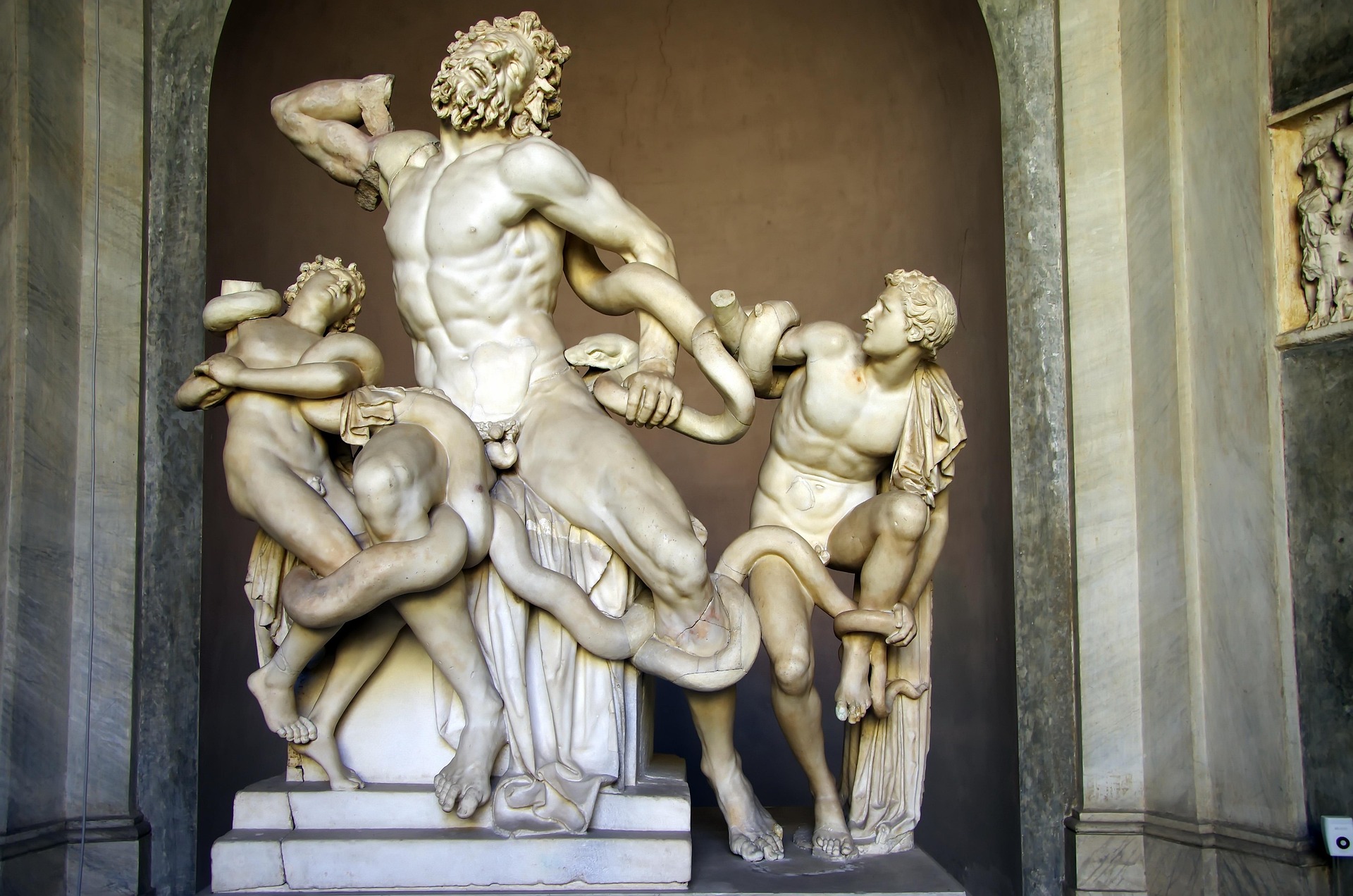
This isn’t the first time a civilization has had to relearn humility about the ones before it. For most of the medieval period, Europe treated inherited authority — Church doctrine chief among it — as the ceiling of knowledge. Then, starting in the 1300s, scholars like Petrarch began hunting down lost Latin and Greek manuscripts, convinced that antiquity held wisdom the intervening centuries had actually lost, not surpassed. In 1414, the scholar Poggio Bracciolini rediscovered Vitruvius’s ancient treatise on architecture in a monastery library — a single manuscript that reshaped how Renaissance builders thought about proportion, structure, and design for generations. Sculptors studying newly unearthed Roman statues, like the Laocoön in 1506, didn’t see crude relics; they saw a mastery of the human form they were still trying to catch up to.
The Renaissance, in other words, wasn’t founded on the idea that the present had outgrown the past. It was founded on the opposite: the humbling discovery that earlier people had already solved problems the “modern” world assumed were unsolved.
The Same Thought Reversal, Twice
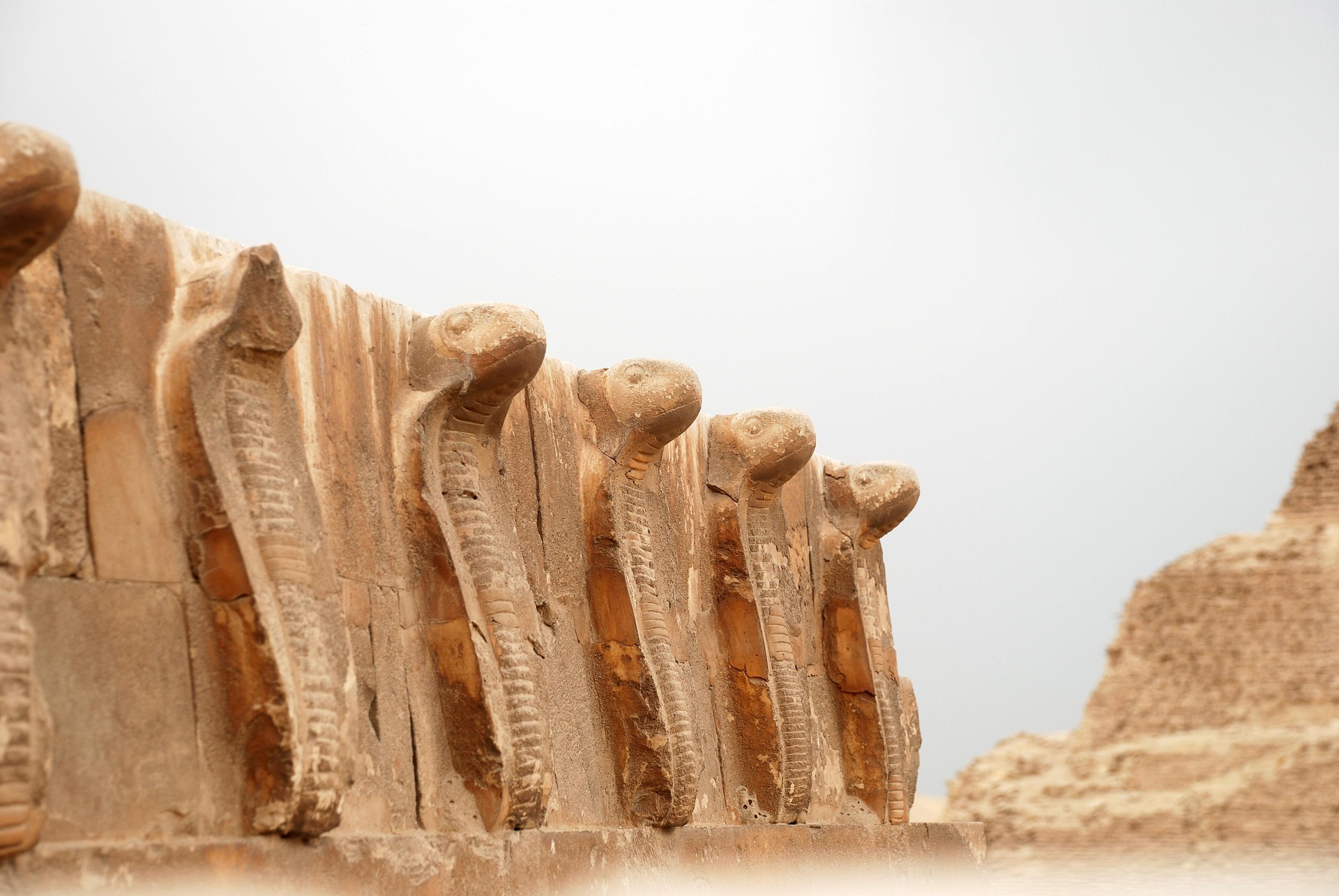
Today’s fascination with Göbekli Tepe, the Sumerians, and precision stonework at Giza is doing the same work. It’s less about nostalgia and more about admitting that a Bronze Age (or older) society organized labor, astronomy, and engineering at a level that keeps surprising people who assumed sophistication was a recent invention.
None of this requires embracing every fringe theory that circulates online — plenty of speculative claims about “lost civilizations” outrun the actual evidence, and that gap is worth being honest about. But the core lesson holds either way: every generation is tempted to believe it stands at the summit of human capability. The ancients keep quietly correcting that assumption — and each time we’re humbled by them, we understand our own history a little better.
*Sources: Ministry of Tourism and Antiquities Egypt findings, 2025; muon-scanning research on the Great Pyramid, 2025.*

Be the first to comment