

We Built the Most Connected World Ever — and Felt the Loneliest In It
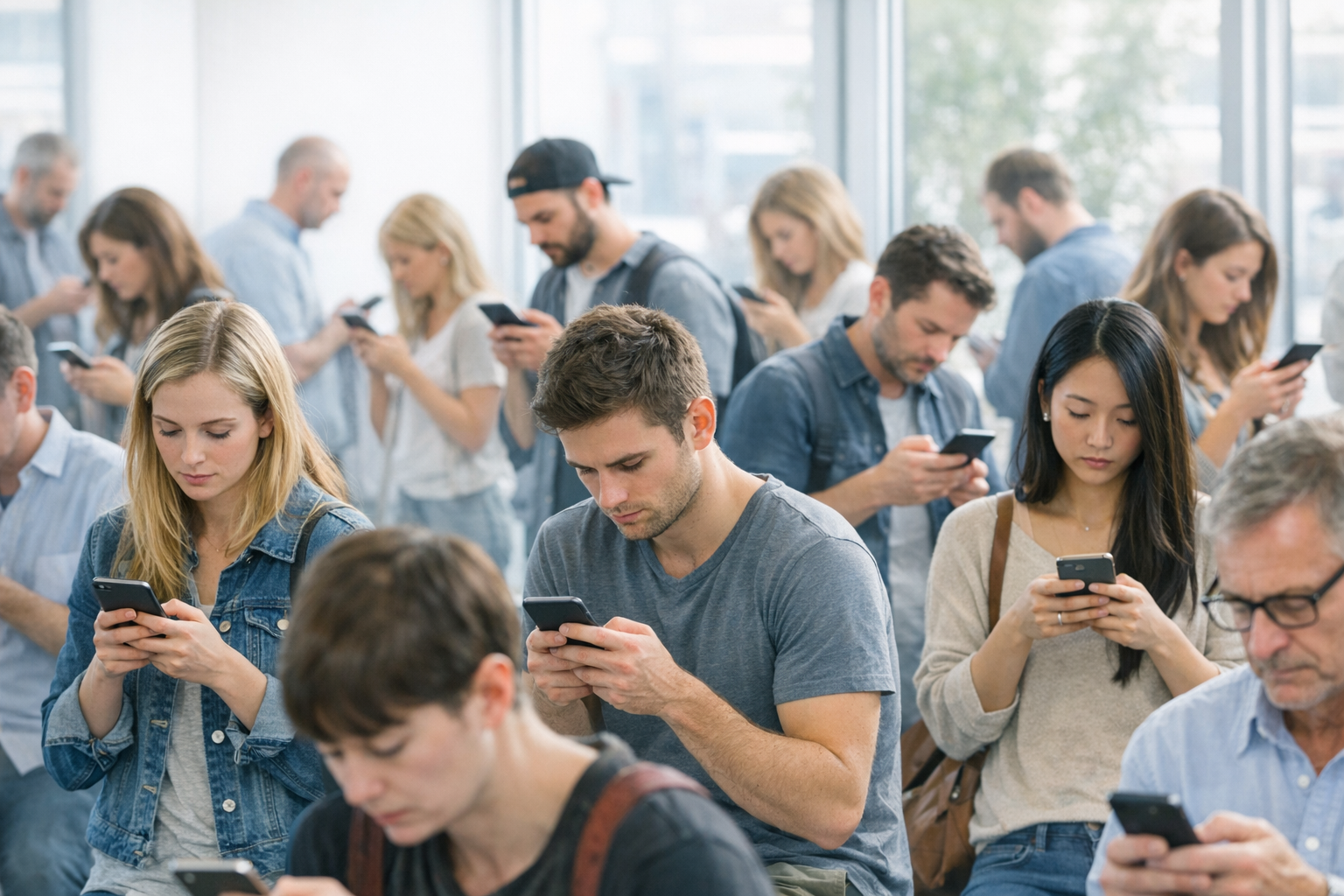
The assumption for twenty years was simple: more connectivity means more connection. Then the data reversed it. In 2023, the U.S. Surgeon General declared loneliness a public health epidemic, noting that *social isolation raises the risk of premature death by roughly 29% and the risk of dementia in older adults by about 50%. More tellingly, *about half of American adults were already reporting loneliness before the pandemic even began — well after smartphones and social media had saturated daily life. Connectivity was supposed to cure isolation. Instead, it seems to have disguised it.
An Old Warning, Rediscovered
This isn’t a new lesson. In the 1830s, Alexis de Tocqueville toured America and noticed that, lacking aristocracy or an established church, Americans constantly formed voluntary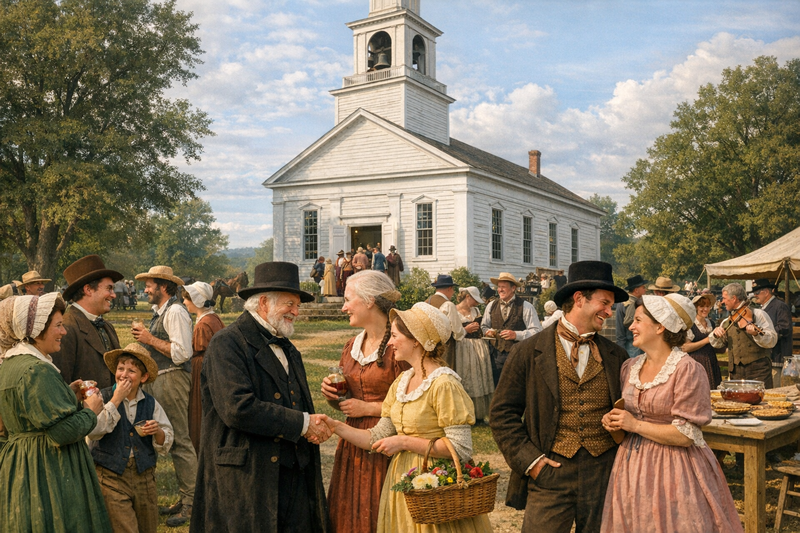 associations — clubs, churches, town committees — for almost any purpose. He saw this habit as the load-bearing wall of a healthy society: remove it, and people don’t grow more independent, they grow isolated, and easier to manage from above. Two centuries later, that’s a fair description of what researchers are now measuring with data instead of travel journals.
What People Are Actually Doing About It
The reversal is already happening in practice. Run clubs** are booming: *Strava’s 2025 report found the platform now hosts over 1 million clubs, with running clubs growing 3.5 times over the year, and Gen Z is 39% more likely than Gen X to use fitness to meet people who share their interests. Urban planners are reviving Ray Oldenburg’s “**third place**” concept — *the coffee shop, library, or park that sits between home and work as an informal gathering space — as deliberate neighborhood design. And physicians responding to the Surgeon General’s advisory point to something simpler still: a block party, a committee, a greeting to a neighbor — small, repeatable acts that rebuild the same civic fabric Tocqueville described.

The Lesson
Connection was never a byproduct of convenience — it’s always been a discipline, built on purpose and in person. Technology can help people coordinate, but it can’t substitute for showing up. The reversal worth carrying forward: stop waiting to feel less lonely before reaching out, and start treating a standing weekly commitment — a run, a table, a small group — as the actual cure. Just do it! What can you plan today that will involve others?
*Sources: U.S. Surgeon General’s Advisory on Social Connection (2023, HHS.gov); Harvard Graduate School of Education, Making Caring Common; Strava Year in Sport Trend Report 2025; Congress for the New Urbanism.*
Testing RonG